Getting the tire pressure right on your 2005 Hyundai Tucson with 16-inch wheels sounds like a small thing and it is, until you're dealing with uneven wear, poor fuel economy, or a blowout on the highway. The recommended tire pressure for stock 2005 Hyundai Tucson 16 inch wheels is a detail that affects how your SUV handles, how long your tires last, and how much you spend at the pump. If you've been guessing or just filling up until the tire "looks right," this page will give you the exact numbers and show you how to use them.
Note: The Tucson is manufactured by Hyundai, not Toyota. If you landed here searching for "Toyota Tucson," you're in the right place for the right vehicle just with the correct brand name.
What Is the Recommended Tire Pressure for a 2005 Hyundai Tucson With 16-Inch Wheels?
The factory-recommended tire pressure for the 2005 Hyundai Tucson equipped with stock 16-inch wheels is 30 PSI (pounds per square inch) for both the front and rear tires. This figure comes from the tire information placard located on the driver's side door jamb and from the owner's manual.
The stock tire size for this setup is 235/60R16. If you need a full breakdown of tire sizes across all Tucson trim levels, our tire size comparison for all Tucson trims covers SE, GLS, and Limited models side by side.
Where Do I Find the Correct Tire Pressure for My Tucson?
You don't need to guess, and you definitely shouldn't rely on the number printed on the tire sidewall. Here's where to look:
- Driver's side door jamb sticker Open the driver's door and look for a white or yellow placard. It lists the recommended pressure for front and rear tires, plus the spare.
- Owner's manual The Hyundai owner's manual for the 2005 model year lists 30 PSI as the standard cold tire inflation pressure for the 16-inch wheel option.
- Fuel filler door Some Hyundai models also include tire pressure info on the inside of the fuel door, though the door jamb placard is the primary source.
The number on the tire sidewall (often 44–51 PSI) is the maximum pressure the tire can handle, not the recommended pressure for your vehicle. Overinflating to that number will give you a harsh ride and accelerate center tread wear.
Why Does Correct Tire Pressure Matter So Much?
Tire pressure affects nearly every aspect of how your Tucson drives:
- Fuel efficiency Underinflated tires increase rolling resistance. According to the U.S. Department of Energy, properly inflated tires can improve gas mileage by up to 3%.
- Tire lifespan Even 5 PSI below the recommendation causes uneven wear. You could lose thousands of miles of tread life.
- Handling and braking Low pressure makes the steering feel sluggish. Overinflation reduces the contact patch, which hurts grip in wet or cold conditions.
- Ride comfort The 2005 Tucson's suspension is tuned for 30 PSI. Running significantly higher pressures makes every bump more noticeable.
Should I Use 30 PSI in All Four Tires?
Yes for the 2005 Hyundai Tucson with 16-inch wheels, Hyundai specifies 30 PSI for both front and rear tires. Some vehicles have different front and rear pressures, but this model uses the same value all around.
However, there are a few situations where you might adjust slightly:
- Heavy loads If you're carrying a full cabin of passengers or towing near the vehicle's rated capacity, check the door placard for any "maximum load" pressure recommendation. Some placards list a higher pressure (often 33–35 PSI) for heavy loads.
- Seasonal temperature changes Tire pressure drops about 1 PSI for every 10°F decrease in ambient temperature. Check pressure more frequently during fall and winter transitions.
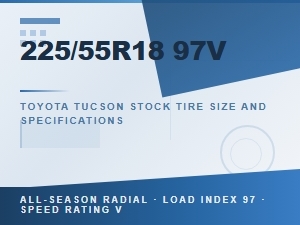
- Aftermarket wheels or tires If you've upgraded to a different tire size, the 30 PSI recommendation may not apply. Our guide on stock tire size and specifications can help you verify what your Tucson originally came with.
What Are Common Tire Pressure Mistakes Tucson Owners Make?
A few mistakes come up again and again with this vehicle:
- Reading the tire sidewall instead of the door placard As mentioned, the sidewall number is the tire's maximum, not the vehicle's recommended pressure.
- Checking pressure when tires are hot Driving heats the air inside and raises pressure by 3–5 PSI. Always check "cold" meaning the car has been parked for at least three hours or driven less than a mile.
- Relying on the TPMS light alone The tire pressure monitoring system on the 2005 Tucson (if equipped) typically triggers when pressure drops about 25% below the recommended level. That means you could be riding at 22–23 PSI and the light won't come on. A $10 gauge is more reliable.
- Ignoring the spare tire The temporary spare (donut) on the 2005 Tucson should be inflated to 60 PSI. Check it twice a year.
- Setting it and forgetting it Tires naturally lose 1–2 PSI per month. A quarterly check isn't enough for most drivers. Monthly is better.
What Happens if I Run Different Tire Sizes on the 16-Inch Wheels?
If you've replaced the stock 235/60R16 tires with a different size but kept the 16-inch wheels, the 30 PSI recommendation is a starting point not a guarantee. Wider tires, lower-profile tires, or tires with different load ratings may need slightly different pressures. When in doubt, consult the tire manufacturer's inflation chart for that specific model. Our replacement tire guide for the 2005 Tucson covers OEM-compatible options and how their specs compare.
How Do I Check and Adjust Tire Pressure Correctly?
Here's the step-by-step process:
- Buy a reliable tire pressure gauge digital or dial-style both work. Avoid the stick-type gauges that come free at gas stations; they're often inaccurate.
- Check pressure in the morning before driving, or after the car has sat for at least three hours.
- Remove the valve cap, press the gauge firmly onto the valve stem, and read the number.
- If the reading is below 30 PSI, use an air compressor to add air in short bursts, rechecking after each one.
- If you've overfilled, press the small pin inside the valve stem with the back of the gauge or a small tool to release air.
- Replace the valve cap when done. It keeps dirt and moisture out of the valve core.
Quick Checklist: Tire Pressure for 2005 Hyundai Tucson 16-Inch Wheels
- Recommended pressure: 30 PSI front and rear (cold)
- Stock tire size: 235/60R16
- Check frequency: At least once a month
- Always check cold: After sitting 3+ hours or driving under 1 mile
- Spare tire: 60 PSI (temporary spare)
- Source of truth: Driver's side door jamb placard, not the tire sidewall
- Temperature note: Expect ~1 PSI drop per 10°F drop in temperature
Next step: Grab a tire gauge, walk out to your Tucson, and check all four tires plus the spare right now. If any tire is below 30 PSI, top it off. If you're running non-stock tires or planning a replacement, double-check that your pressure matches the tire manufacturer's recommendation for that specific model. A five-minute check today can save you from uneven wear, wasted fuel, and a potential roadside problem down the road.
 First, the User Asked: "return Only One Final Page Title in Plain Text.
 How to Find the Tire Size on a 2005 Hyundai Tucson Door Jamb Sticker
 Hyundai Tucson Stock Tire Size and Specifications – Tire Replacement Guide
 Best Replacement Tires for Toyota Tucson Oem Size
 Toyota Tucson Tire Sizes: Stock vs Aftermarket Comparison
 Hyundai Tucson Factory Tire Size Specifications