Getting the tire pressure right on your 2005 Toyota Tucson might sound like a small detail, but it directly affects how your SUV handles on the highway, how much fuel you burn over a long drive, and how evenly your tires wear down over time. If you're planning a road trip or doing regular highway commuting, running the correct PSI isn't optional it's one of the easiest things you can do to stay safe and save money at the pump.
What Is the Recommended Tire Pressure for a 2005 Toyota Tucson?
Toyota specifies 30 PSI for the front tires and 29 PSI for the rear tires on the 2005 Tucson. You'll find this information on the driver's side door jamb sticker and in the owner's manual. These numbers are set by Toyota's engineers based on the vehicle's weight, suspension setup, and tire size not by the tire manufacturer.
A common mistake is inflating tires to the maximum PSI listed on the tire sidewall. That number (often 44–51 PSI) is the tire's limit, not the vehicle's recommendation. Following it can lead to a harsh ride, reduced traction, and faster wear in the center of the tread.
If you need the full breakdown of OEM tire sizes and their matching pressures, we cover that in detail on our OEM tire size and pressure specifications page.
Should You Adjust Tire Pressure Specifically for Highway Driving?
For normal highway driving, the factory-recommended 30/29 PSI is the right setting. Toyota already accounts for sustained high-speed operation when they set these numbers.
That said, some drivers add 1–2 PSI above the door placard value before long highway trips. The reasoning is simple: tires heat up during extended driving, and a small buffer can help maintain consistent pressure as temperatures climb. This is generally safe as long as you stay well below the tire's maximum rated pressure and don't exceed 35 PSI cold.
How Does Tire Pressure Change During a Long Highway Drive?
As you drive at highway speeds, friction generates heat inside the tire. Heat causes the air inside to expand, which raises pressure by roughly 1–4 PSI over your cold reading. This is normal. The key is to always check and set your pressure when tires are cold meaning the car has been parked for at least three hours or hasn't been driven more than a mile.
What Happens If Your Tire Pressure Is Too Low on the Highway?
Underinflated tires flex more than they should. On a highway, this creates several problems:
- Increased rolling resistance your engine works harder, burning more fuel
- Excess heat buildup which raises the risk of a blowout at speed
- Uneven tread wear the outer edges wear down faster than the center
- Longer stopping distances reduced grip means less effective braking
- Vague steering feel the vehicle may feel sluggish or wander in its lane
A drop of just 6 PSI below the recommendation can noticeably affect fuel economy and handling. If your Tucson has been sitting for a while or you've recently hit a pothole, check the pressure before getting on the highway.
What Happens If Your Tire Pressure Is Too High?
Overinflated tires are just as problematic. When there's too much air in the tire, the center of the tread bulges outward and makes contact with the road while the edges lift slightly. This causes:
- Reduced contact patch less rubber on the road means less grip, especially in wet conditions
- A rougher ride you'll feel every bump and crack in the pavement
- Faster center tread wear you'll need new tires sooner than expected
- Higher susceptibility to damage potholes and road debris are more likely to cause a puncture or sidewall damage
How Do Weather and Temperature Affect Tire Pressure?
Tire pressure drops roughly 1 PSI for every 10°F drop in ambient temperature. If you set your tires to 30 PSI in summer and temperatures fall to freezing in winter, you could lose 3–4 PSI without a leak. That's enough to fall below the safe range for highway driving.
This is why checking pressure monthly and especially at the start of each season matters. Cold mornings are the biggest culprit for sudden low-pressure warnings. If you're dealing with winter conditions, our guide on adjusting 2005 Tucson tire pressure for winter covers what to change and when.
How Often Should You Check Tire Pressure on a 2005 Tucson?
Check your tire pressure at least once a month and before any long highway drive. Tires naturally lose about 1–2 PSI per month through the rubber itself, even without a puncture. Don't rely on a visual check modern tires can look fine while running 5–8 PSI low.
Use a reliable digital tire pressure gauge. The ones built into gas station air pumps are often inaccurate by several PSI. A good gauge costs around $10–15 and is worth every penny.
What's the Best Way to Check and Set Tire Pressure?
- Park the vehicle for at least three hours (or drive less than one mile) so tires are cold
- Remove the valve cap from the tire
- Press the gauge firmly onto the valve stem until the hissing stops
- Read the measurement compare it to the 30/29 PSI recommendation
- Add or release air as needed to match the target
- Replace the valve cap it keeps dirt and moisture out of the valve
- Repeat for all four tires, including the spare if accessible
For a full walkthrough on recommended settings across different driving situations, see our detailed tire pressure recommendations page.
Do Different Tire Brands or Sizes Change the Recommended Pressure?
If you're running the OEM tire size (215/65R16), stick with the door placard pressure. If you've switched to a different tire size or brand, the factory recommendation still serves as a solid baseline, but you may need minor adjustments.
Larger or heavier tires sometimes benefit from 1–2 PSI more to support the extra weight. Lighter aftermarket tires might perform well at the stock setting. Always stay within the tire manufacturer's recommended range (printed on the sidewall) and never go below Toyota's 30/29 PSI baseline.
A quality tire pressure reference like the one published by Montserrat can help you track your readings over time if you keep a log.
Quick Tire Pressure Checklist Before Your Next Highway Drive
- Set front tires to 30 PSI and rear tires to 29 PSI (cold)
- Use a digital gauge don't trust visual inspections or gas station gauges
- Check pressure in the morning before driving
- Account for temperature changes between seasons
- Inspect tires for uneven wear, cracks, or embedded objects while checking pressure
- Don't forget the spare tire it should be inflated to 60 PSI per Toyota's spec
- Re-check pressure after loading extra cargo for a trip
Five minutes with a gauge before you hit the highway can prevent a blowout, save you fuel, and extend the life of your tires. Make it a habit, and your 2005 Tucson will ride better for it.
 Toyota Tucson Tire Pressure Monitoring System Calibration Guide and Tips
 Toyota Tucson Winter Tire Pressure Guide and Tips
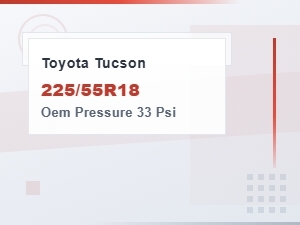 Toyota Tucson Oem Tire Size and Pressure Specifications Guide
 Tire Size and Pressure Recommendations for Tucson
 Recommended Tire Pressure for Stock 2005 Toyota Tucson 16 Inch Wheels
 Toyota Tucson Tire Sizes: Stock vs Aftermarket Comparison